

Hey there, fellow bakers and cooking enthusiasts! As a supplier of Silicone Egg Whisk Baking Beaters, I often get asked about the safety concerns related to using these nifty kitchen tools. So, I thought I'd sit down and share my insights on this topic.

First off, let's talk about what silicone is. Silicone is a synthetic polymer made up of silicon, oxygen, carbon, and hydrogen. It's known for its flexibility, heat resistance, and non - stick properties, which make it a popular choice for kitchen utensils.
One of the main safety concerns people have is whether silicone can leach harmful chemicals into food. Well, the good news is that high - quality silicone is generally considered safe for food contact. Most reputable manufacturers use food - grade silicone, which has been tested and approved by relevant regulatory bodies like the FDA (Food and Drug Administration) in the United States.
Food - grade silicone is inert, meaning it doesn't react with food or release any toxic substances when it comes into contact with it. It can withstand a wide range of temperatures, from freezing to high heat. For instance, it can typically handle temperatures up to 446°F (230°C) without melting or degrading. This makes it perfect for use in baking, where you might need to whisk eggs in a bowl that's sitting on a warm surface or even briefly expose the whisk to the heat of an oven.
Another aspect of safety is durability. A well - made silicone egg whisk baking beater should be able to withstand regular use without breaking or falling apart. The silicone should be thick enough to resist tearing, and the attachment to the handle should be secure. When you're shopping for a silicone egg whisk, look for one that has a solid construction. You don't want the whisk part to come off while you're in the middle of whisking, as that could be a choking hazard or cause bits of silicone to end up in your food.
However, like any kitchen tool, there are some things you need to watch out for. If the silicone egg whisk is exposed to extremely high temperatures beyond its recommended limit, it can start to break down. This might cause the silicone to become sticky or release a strange odor, which could indicate that it's no longer safe to use. Also, if you notice any cracks, tears, or signs of wear and tear on the whisk, it's best to replace it.
Now, let's talk about cleaning. Proper cleaning is essential for maintaining the safety of your silicone egg whisk. Silicone is relatively easy to clean because of its non - stick nature. You can simply wash it with warm, soapy water after each use. Avoid using abrasive cleaners or scouring pads, as these can scratch the surface of the silicone. Scratches can harbor bacteria and make the whisk less hygienic over time.
If you prefer, you can also put your silicone egg whisk in the dishwasher. But make sure to check the manufacturer's instructions first, as some silicone products might not be dishwasher - safe. If you do use the dishwasher, place the whisk in a utensil holder or on the top rack to prevent it from getting damaged.
When it comes to storage, keep your silicone egg whisk in a dry place. Moisture can promote the growth of mold and mildew, which can be harmful if they end up in your food. You can hang it up using a hook or store it in a drawer with your other kitchen utensils.
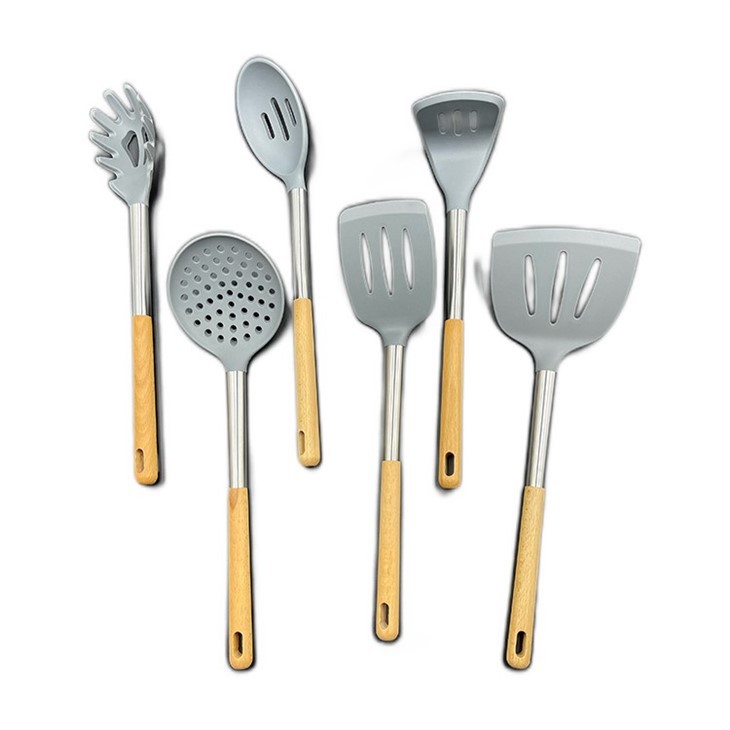
As a supplier, I offer a range of silicone kitchen utensils, not just egg whisks. For example, I have the 13 PCS Silicone Cooking Utensils Set, which includes an egg whisk along with other useful tools like spatulas, tongs, and ladles. This set is a great option if you want to have a complete collection of silicone utensils in your kitchen.
There's also the 10 PCS Silicone Cooking Utensils Set, which is a more compact option but still has all the essentials. And if you're into making mashed potatoes, check out the Silicone Potato Pressure Mashed Masher. It's made of the same high - quality food - grade silicone and is designed to make mashing potatoes a breeze.
In conclusion, using a silicone egg whisk baking beater is generally safe as long as you choose a high - quality, food - grade product, use it within its recommended temperature range, and take proper care of it. If you have any questions about the safety of our products or want to place an order, feel free to reach out. I'm always happy to help you make the right choice for your kitchen. Whether you're a professional baker or just someone who loves to cook at home, I'm confident that our silicone utensils will meet your needs. So, don't hesitate to contact me for any procurement discussions.
References:
- FDA regulations on food - grade materials
- General knowledge of silicone properties and kitchen utensil safety